

How to Style Your Studio Portrait for a Clean, Aesthetic Look
The way you dress for a studio portrait has a direct impact on how the image feels—whether it reads as timeless, confident, or simply clutter-free. Clean, aesthetic styling isn’t about being plain. It’s about making thoughtful choices that look balanced in photographs and draw attention to presence, not distraction.
1. Choose Neutral Tones That Photograph Well
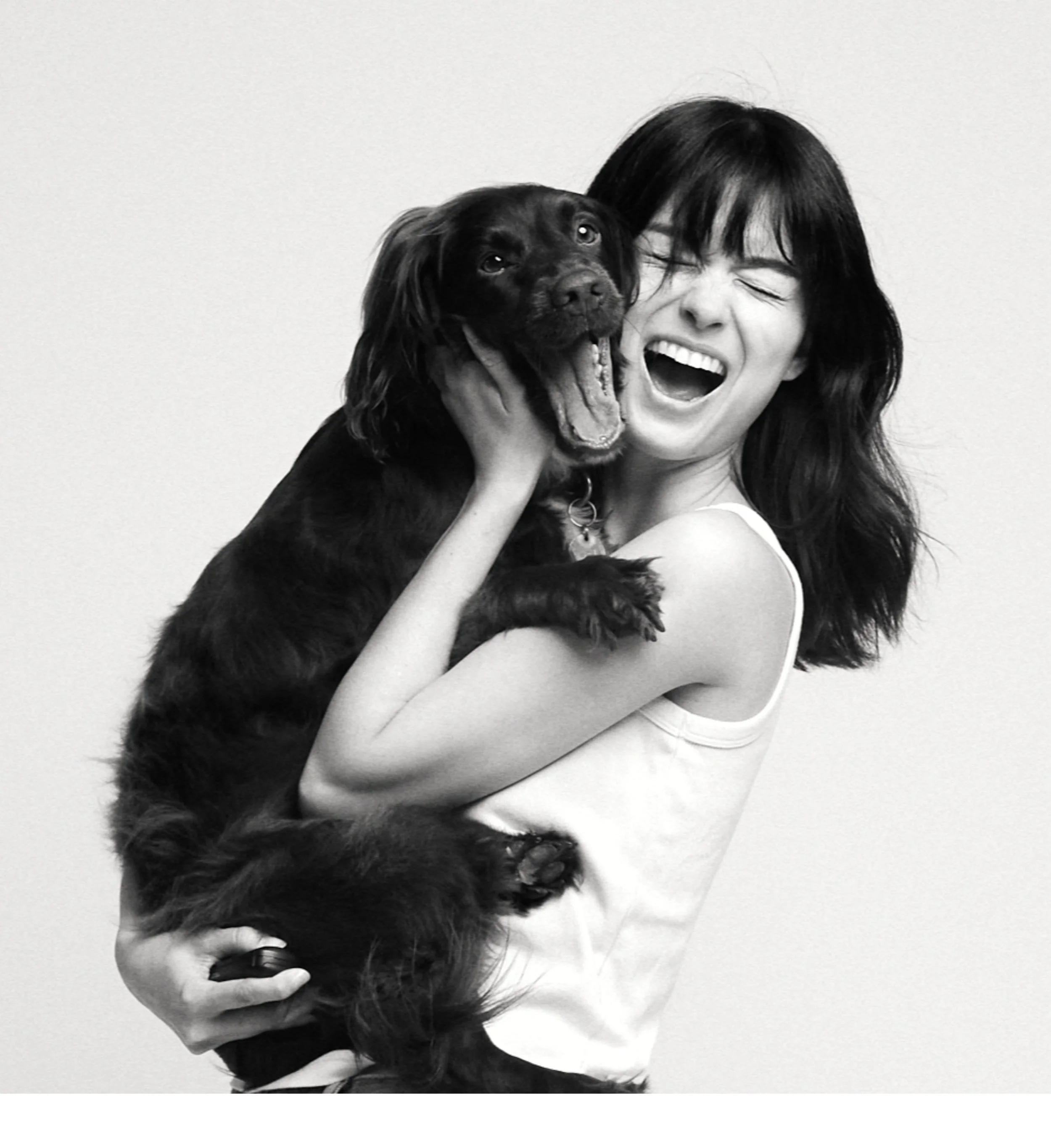
Soft white, grey, sand, muted olive, and navy work beautifully against a white or black backdrop. These tones enhance clarity and create subtle contrast without overpowering the frame. Look for colour families rather than exact matches to maintain visual harmony.
2. Prioritise Texture Over Pattern
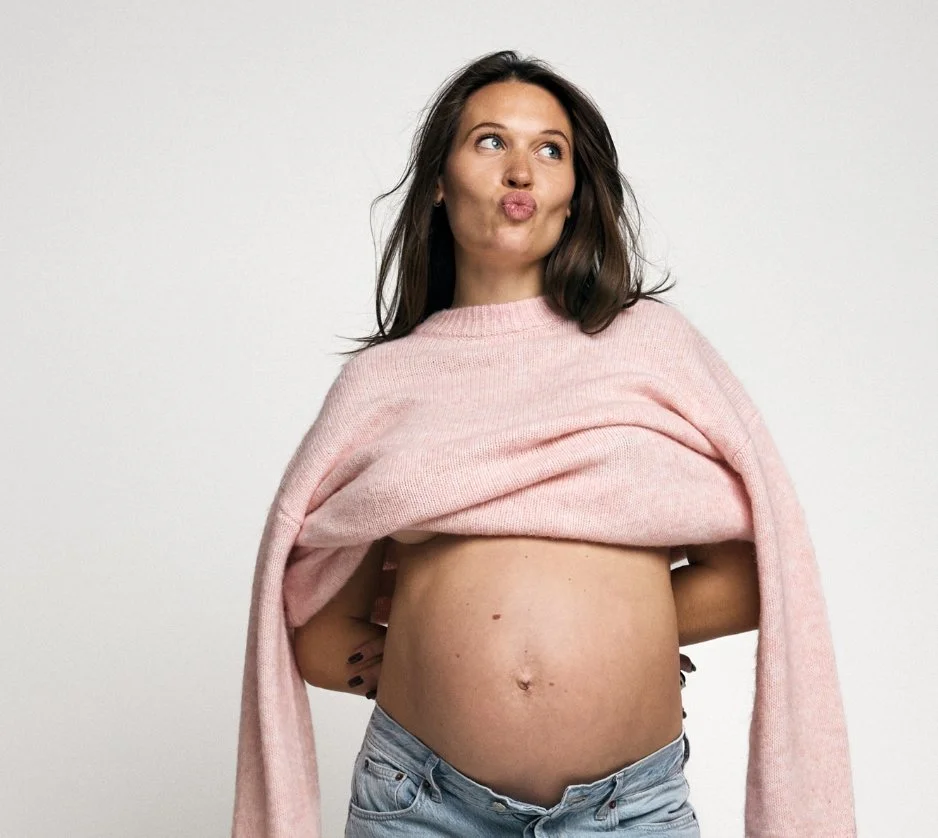
In photographs, texture speaks louder than print. Ribbed knit, linen, wool blends, denim, or silk add dimension. Avoid logos, heavy branding, and bold prints—they compete for attention and quickly date a photo. Vogue styling guides consistently recommend soft texture for studio dressing.
3. Tailoring Matters More Than You Think
Well-fitting clothes sharpen the overall look. Even a plain shirt, if well-tailored, reads as polished. Avoid overly loose pieces unless intentionally styled. Pay attention to necklines—open collars, soft drapes or structured crewnecks tend to photograph cleanly.
4. Stick to One or Two Layers
Layering can add depth, but in studio portraits, simplicity wins. One additional piece—a jacket, oversized shirt, or structured cardigan—can offer variation without clutter. Anything more becomes difficult to manage visually on a seamless backdrop.
5. Avoid High-Gloss Fabrics and Harsh Blacks
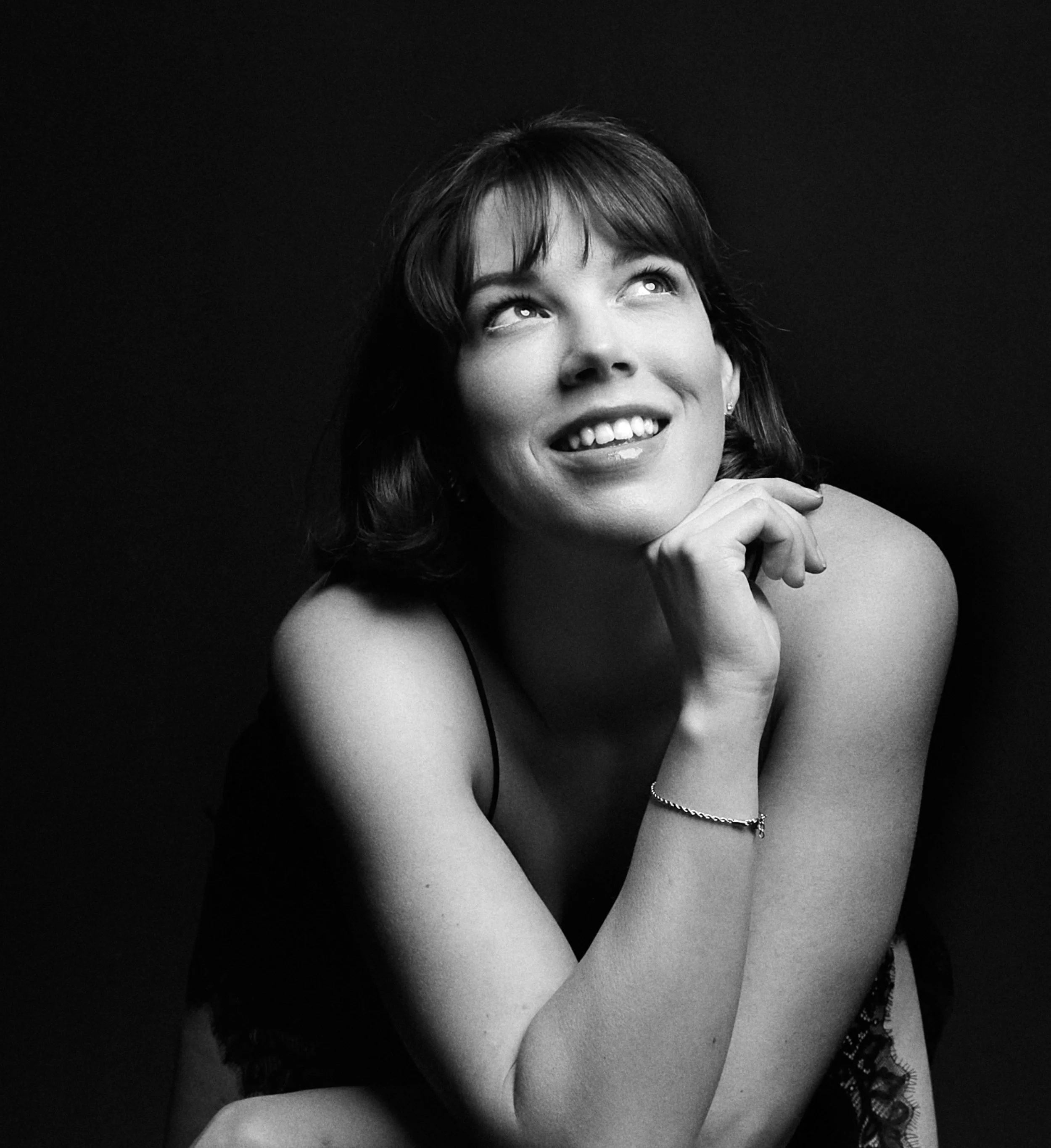
Some blacks shine under studio light and lose depth. Soft matte fabrics photograph best. If going for black, choose natural fibres like cotton or wool. Or opt for deep charcoal or navy as a less reflective alternative.
6. Mind the Footwear—or Skip It Entirely
Unless shoes are part of your concept, consider going barefoot or wearing clean, neutral options. Trainers and boots can weigh down a minimalist frame, while bare feet often read as more personal and grounded.
7. Use Jewellery Sparingly
A single necklace, a small hoop, or your favourite ring can add personality. Keep metals consistent (all silver or all gold) and avoid chunky or layered looks unless they’re part of your usual identity. This lets expression remain the central point.
8. Plan for Harmony in Group or Couple Shoots
Choose pieces that sit in the same tone family, but avoid looking identical. One person in sand, the other in light grey or faded blue, feels more natural than matching outfits. Think editorial, not uniform.
9. Prepare Your Outfit in Advance
Try on your look in daylight, move around, sit down. Check how fabric creases or shifts. Studio shoots are often seated, so waistlines, cuffs and necklines need to stay in place and feel comfortable throughout.
10. Bring One Backup Option
If you’re unsure, bring a second shirt, top, or accessory to the shoot. Changing one layer can shift the feel without losing cohesion. Just don’t overpack—two looks are more than enough for a focused, minimalist session.
Careful styling ensures your portraits feel timeless, expressive and intentional. If you’re drawn to imagery that feels clean and considered—and you’d like to explore that direction in a quiet, self‑paced format—there’s a session style built exactly for that.
related content
How to Style Your Studio Photos for a Clean, Aesthetic Look
The way you dress for a studio portrait has a direct impact on how the image feels—whether it reads as timeless, confident, or simply clutter-free. Clean, aesthetic styling isn’t about being plain. It’s about making thoughtful choices that look balanced in photographs and draw attention to presence, not distraction.
1. Choose Neutral Tones That Photograph Well
Soft white, grey, sand, muted olive, and navy work beautifully against a white or black backdrop. These tones enhance clarity and create subtle contrast without overpowering the frame. Look for colour families rather than exact matches to maintain visual harmony.
2. Prioritise Texture Over Pattern
In photographs, texture speaks louder than print. Ribbed knit, linen, wool blends, denim, or silk add dimension. Avoid logos, heavy branding, and bold prints—they compete for attention and quickly date a photo. Vogue styling guides consistently recommend soft texture for studio dressing.
3. Tailoring Matters More Than You Think
Well-fitting clothes sharpen the overall look. Even a plain shirt, if well-tailored, reads as polished. Avoid overly loose pieces unless intentionally styled. Pay attention to necklines—open collars, soft drapes or structured crewnecks tend to photograph cleanly.
4. Stick to One or Two Layers
Layering can add depth, but in studio portraits, simplicity wins. One additional piece—a jacket, oversized shirt, or structured cardigan—can offer variation without clutter. Anything more becomes difficult to manage visually on a seamless backdrop.
5. Avoid High-Gloss Fabrics and Harsh Blacks
Some blacks shine under studio light and lose depth. Soft matte fabrics photograph best. If going for black, choose natural fibres like cotton or wool. Or opt for deep charcoal or navy as a less reflective alternative.
6. Mind the Footwear—or Skip It Entirely
Unless shoes are part of your concept, consider going barefoot or wearing clean, neutral options. Trainers and boots can weigh down a minimalist frame, while bare feet often read as more personal and grounded.
7. Use Jewellery Sparingly
A single necklace, a small hoop, or your favourite ring can add personality. Keep metals consistent (all silver or all gold) and avoid chunky or layered looks unless they’re part of your usual identity. This lets expression remain the central point.
8. Plan for Harmony in Group or Couple Shoots
Choose pieces that sit in the same tone family, but avoid looking identical. One person in sand, the other in light grey or faded blue, feels more natural than matching outfits. Think editorial, not uniform.
9. Prepare Your Outfit in Advance
Try on your look in daylight, move around, sit down. Check how fabric creases or shifts. Studio shoots are often seated, so waistlines, cuffs and necklines need to stay in place and feel comfortable throughout.
10. Bring One Backup Option
If you’re unsure, bring a second shirt, top, or accessory to the shoot. Changing one layer can shift the feel without losing cohesion. Just don’t overpack—two looks are more than enough for a focused, minimalist session.
Careful styling ensures your portraits feel timeless, expressive and intentional. If you’re drawn to imagery that feels clean and considered—and you’d like to explore that direction in a quiet, self‑paced format—there’s a session style built exactly for that.
related content



menu
VISIT US
LET’S Connect
Sign up to be the first to know about new product launches and promotions.